By Erica Ormsby
October 7, 2026
Maintaining and enhancing real estate value requires proactive risk management, physical maintenance, and environmental compliance. Properties containing unmanaged asbestos pose severe health hazards, regulatory liabilities, and financial risks for property owners, buyers, and commercial investors. Implementing verified asbestos mitigation protocols ensures that residential and commercial structures remain safe, fully code-compliant, and market-ready. According to Community Commons, as many as 107,000 buildings in the United States contain asbestos. This widespread presence underscores the critical need for accredited environmental abatement to protect building occupants, preserve structural assets, and safeguard long-term real estate equity.
Health Hazards and Financial Risks of Unmanaged Asbestos
The presence of friable asbestos inside residential or commercial structures represents a severe public health hazard and a significant financial liability. Microscopic asbestos fibers, when disturbed by aging, water damage, or ongoing structural renovations, become airborne and easily inhaled. Prolonged exposure causes chronic and frequently fatal respiratory conditions, including asbestosis, lung cancer, and malignant mesothelioma. As environmental health awareness expands, properties burdened by unmitigated hazards suffer from diminished buyer demand, lower tenant retention, and steep market devaluations.
In addition to health hazards, unmanaged toxic materials introduce severe legal and financial risks for real estate investors. Property owners who fail to address known hazards face substantial regulatory fines from municipal building departments and the Environmental Protection Agency. Furthermore, unmitigated contamination can stall pending real estate transactions, void property insurance coverages, and trigger costly personal injury lawsuits from affected occupants. Proactively executing verified asbestos mitigation safeguards property owners against catastrophic legal liabilities and unexpected financial losses.
Contamination also disrupts surrounding natural ecosystems when microscopic fibers escape into local soil, groundwater, or HVAC distribution networks during improper demolition. Environmental regulations mandate strict containment, handling, and disposal protocols to prevent airborne dispersion. Investing in professional asbestos mitigation protects both human health and local environments, ensuring that real estate assets retain strong market standings across competitive commercial and residential sectors.
Understanding Verified Abatement Methods and Standards
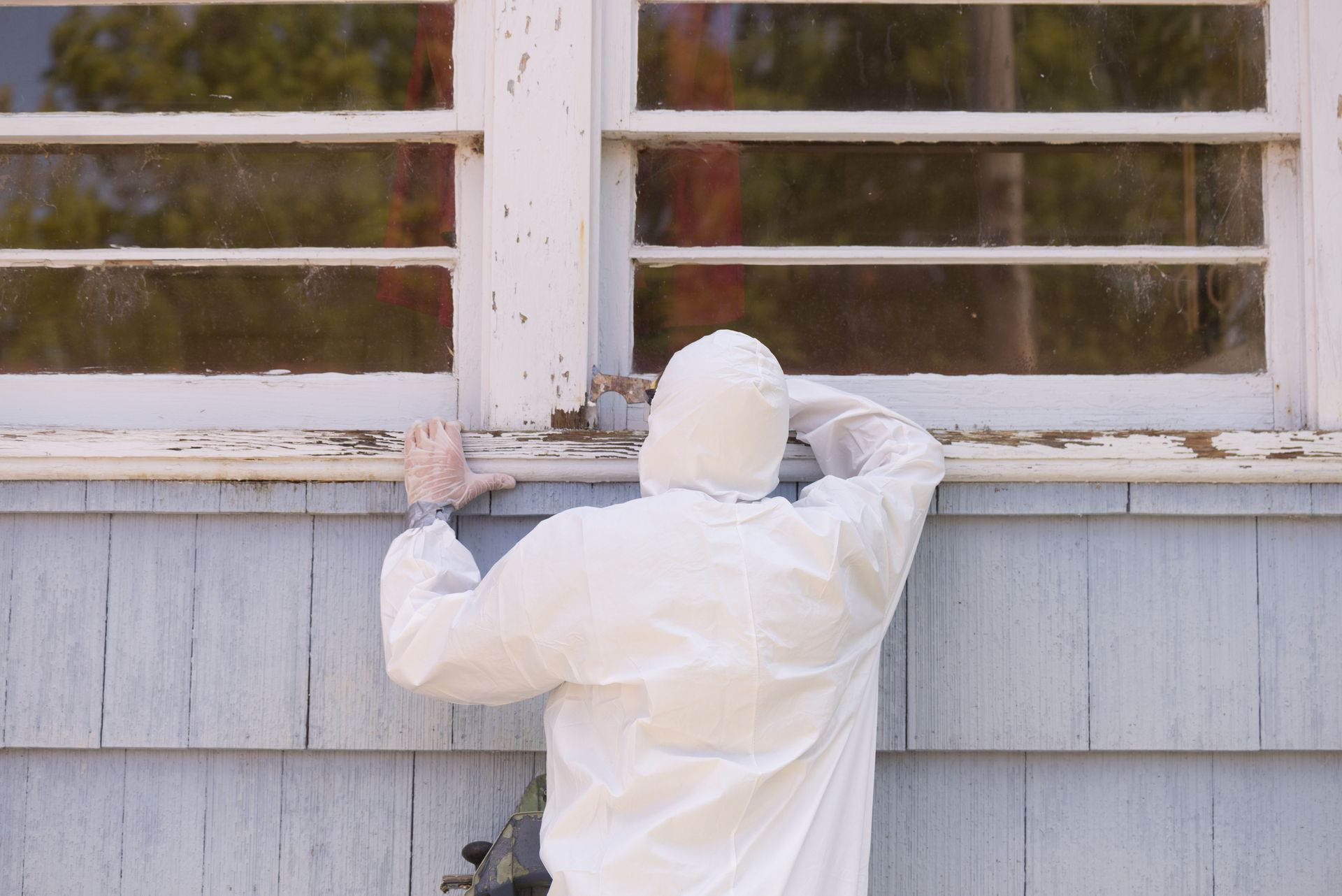
Professional asbestos mitigation encompasses systematic diagnostic procedures, containment protocols, and abatement techniques designed to eliminate environmental exposure risks. Certified environmental technicians perform comprehensive site surveys, collecting material samples from thermal pipe insulation, floor tiles, acoustic ceiling plasters, and exterior siding. Identifying specific hazardous materials enables technicians to select the appropriate remediation strategy, whether complete physical removal, polymer encapsulation, or airtight physical enclosure.
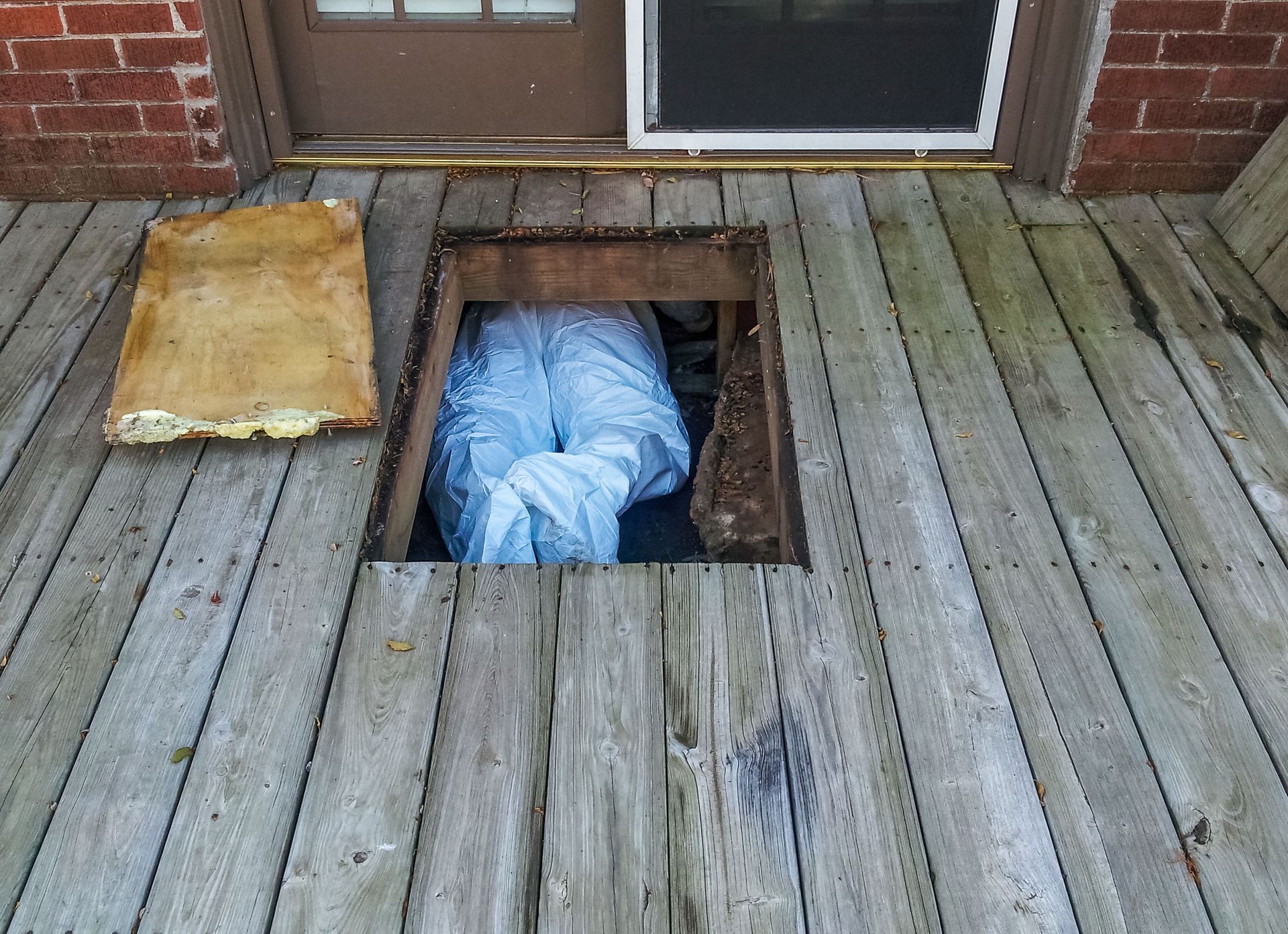
Executing verified asbestos mitigation requires strict adherence to specialized engineering controls. Certified abatement crews construct negative-pressure containment zones utilizing heavy-duty polyethylene sheeting and continuous High-Efficiency Particulate Air (HEPA) filtration units. These containment measures prevent microscopic dust from escaping into non-work areas during material removal. Technicians utilize specialized wetting agents, HEPA-filtered vacuum systems, and sealed disposal containment vessels to handle toxic waste safely from site extraction to licensed hazardous waste landfills.
Engaging accredited environmental contractors is essential for ensuring total regulatory compliance and technical execution. Certified abatement professionals undergo rigorous state and federal training to master hazardous material handling, air monitoring, and worker protection standards. Attempting unverified DIY removal or hiring unaccredited labor frequently spreads contamination throughout the structure, creating severe health hazards and necessitating expensive secondary decontamination efforts.
The Real Estate Value of Verified Mitigation Certificates
Executing verified asbestos mitigation directly increases a property's marketability and overall asset valuation. Prospective buyers, institutional lenders, and commercial real estate brokers demand clear documentation proving that environmental hazards have been remediated according to federal guidelines. Providing official third-party clearance certificates eliminates buyer hesitation, streamlines mortgage underwriting, and allows sellers to command top market prices without negotiating steep environmental concessions.
Achieving verified status requires independent third-party air clearance testing following physical abatement. Licensed industrial hygienists collect aggressive air samples inside the containment zone, analyzing them via Phase Contrast Microscopy or Transmission Electron Microscopy to confirm airborne fiber concentrations fall below strict regulatory safety thresholds. Once the site passes independent analysis, formal clearance documentation is issued, providing indisputable proof of environmental safety.
Beyond immediate transaction benefits, verified asbestos mitigation offers long-term financial advantages for property management. Mitigated buildings enjoy lower property insurance premiums, reduced maintenance complications, and protection against future environmental litigation. Demonstrating responsible facility management enhances brand reputation and fosters tenant trust, turning environmental compliance into a tangible competitive advantage within the commercial real estate market.
Overcoming Technical and Financial Challenges in Abatement
Managing structural abatement presents complex logistical and financial challenges for property owners. Removing hazardous insulation from historic buildings, cramped mechanical shafts, or active commercial facilities requires specialized equipment and careful scheduling to avoid structural damage or operational downtime. Detailed pre-project planning and phased execution allow abatement teams to navigate complex structural layouts safely while minimizing disruption to daily business operations.
Budgetary constraints frequently cause property owners to delay essential environmental remediations. While comprehensive asbestos mitigation requires an initial capital outlay, postponing necessary work inevitably leads to far higher costs down the road. Unaddressed hazards degrade over time, leading to widespread contamination, emergency shutdowns, severe municipal penalties, and steep property value drops. Establishing a structured capital improvement plan allows owners to execute abatement cost-effectively over time.
Selecting an accredited, fully insured environmental service provider is the most critical step in overcoming technical abatement challenges. Property owners should verify contractor credentials, review past project portfolios, and confirm active environmental liability insurance coverage before signing contracts. Working with established industry leaders guarantees that abatement projects are completed safely, efficiently, and in full compliance with all environmental laws.
Future Industry Trends in Environmental Hazard Management
The environmental abatement industry is evolving rapidly through technological innovation, enhanced safety regulations, and sustainable waste management practices. Modern air monitoring systems and real-time optical sensors allow industrial hygienists to track airborne fiber levels instantly, improving jobsite safety and diagnostic accuracy. Furthermore, automated containment monitoring and advanced continuous-duty HEPA filtration systems ensure maximum containment security during large-scale commercial demolitions.
Sustainability and green building initiatives are increasingly shaping modern environmental abatement protocols. Progressive contractors utilize eco-friendly wetting agents, recyclable containment materials, and advanced waste-minimization techniques to lower the carbon footprint of abatement projects. Combining hazardous material removal with energy-efficiency upgrades allows property owners to modernize older structures, reduce utility expenses, and achieve green building certifications simultaneously.
Regulatory standards governing indoor air quality and environmental safety continue to tighten nationwide. Real estate investors who proactively implement verified asbestos mitigation remain well ahead of shifting legal mandates, protecting their properties against future regulatory obsolescence. Adopting cutting-edge abatement practices ensures that commercial and residential assets remain safe, sustainable, and highly valuable for generations to come.
Protecting real estate equity requires proactive environmental management, certified abatement procedures, and verified legal compliance. Unmanaged hazardous materials severely compromise occupant safety, introduce legal liabilities, and erode property market values. Executing professional asbestos mitigation eliminates airborne exposure risks, protects physical assets, and provides official documentation that reassures buyers, lenders, and tenants.
Proactively addressing these contamination risks prior to structural renovations or property sales eliminates costly project delays and simplifies complex commercial real estate transactions. Furthermore, securing verified clearance documentation safeguards property managers against future environmental litigation while enhancing overall brand credibility within competitive real estate markets. Investing in accredited abatement services safeguards human health, preserves structural integrity, and maximizes long-term property value. Partnering with a licensed environmental contractor ensures every phase of abatement—from initial diagnostic sampling to final disposal—conforms strictly to federal safety standards.
For expert environmental inspections, certified abatement, and dependable structural preparation, trust the experienced team at BellCo Demolition & Asbestos to protect your investment.