By Erica Ormsby
November 5, 2026
Asbestos abatement plays a crucial role in ensuring building compliance and safeguarding public health. The risks associated with asbestos exposure necessitate thorough management practices to prevent potential health crises. Historically used in a variety of building materials, asbestos continues to present challenges due to its pervasive presence in older structures. Ensuring compliance with asbestos regulations involves not only protecting public health but also addressing the disparities faced by vulnerable communities. This article delves into the intricacies of asbestos management, exploring guidelines, challenges, and best practices in fostering both safety and equity.
Understanding Asbestos Hazards and Public Health Risks
Examining the Dangerous Chemical Nature of Asbestos
Asbestos is a naturally occurring mineral known for its durability, heat resistance, and insulating properties. Its fibrous structure made it a popular choice in construction and various industries. However, the microscopic fibers pose significant health risks when inhaled, leading to serious respiratory conditions. Asbestos is composed of silicate minerals, existing in different forms like chrysotile, amosite, and crocidolite. Understanding the nature of asbestos is crucial for effective management and abatement efforts.
Analyzing Long-Term Health Implications of Exposure
Asbestos exposure is linked to severe health issues, including asbestosis, lung cancer, and mesothelioma. These conditions often take years or even decades to manifest, complicating diagnosis and treatment. The inhalation of asbestos fibers scars lung tissue, gradually impairing its function and leading to life-threatening conditions. According to Asbestos.com, between 1940 and 1979, 27 million American workers were exposed to asbestos, underscoring the widespread nature of the problem. Public and occupational health efforts must prioritize early detection and prevention to mitigate these risks.
Reviewing the Historical Use and Legacy in Buildings
Asbestos was once hailed as a miracle material, widely incorporated in construction materials for its fire-retardant properties. Homes, schools, hospitals, and offices constructed before the 1980s often contain asbestos in insulation, floor tiles, and roofing. Consequently, the legacy of asbestos poses ongoing challenges for property owners seeking to renovate or demolish older structures. Understanding this historical context is essential for targeted abatement strategies. Comprehensive planning and awareness are vital to minimize exposure and safeguard public health.
Navigating the Regulatory Framework for Abatement Projects
Reviewing Key Aspects of Federal Asbestos Regulations
The U.S. has a comprehensive regulatory framework governing asbestos abatement, established primarily by federal agencies. The Environmental Protection Agency (EPA) oversees the enforcement of specific rules under laws such as the Clean Air Act and the Toxic Substances Control Act. These regulations aim to control asbestos use, prevent exposure, and guide abatement processes. Strict compliance with federal regulations is mandatory for agencies, businesses, and individuals handling asbestos. Continuous monitoring and updates ensure regulations remain robust and effective in reducing asbestos-related risks.
Meeting Stringent State and Local Compliance Requirements
States and local governments often enforce additional regulations, tailoring requirements to address specific regional concerns. These regulations may exceed federal standards, addressing local environmental and occupational safety needs. Asbestos abatement professionals must be familiar with both federal and regional laws to ensure comprehensive compliance. This multi-tiered regulatory approach reflects the diverse challenges in managing asbestos across different jurisdictions. Coordination among federal, state, and local authorities is key to maintaining effective oversight and enforcement.
Hiring Certified Professionals for Safe Abatement Execution
The complexity of asbestos abatement necessitates the involvement of certified professionals to ensure safe and effective management. These experts are trained to identify and handle asbestos-containing materials (ACMs) following strict regulatory standards. Certification programs enhance their understanding of the risks and safety measures essential in mitigating exposure during abatement processes. This professional expertise is vital for legal compliance and ensuring public health protection. Certified professionals bring reassurance and credibility to asbestos management efforts, fostering community relationships.
Managing Professional Asbestos Detection and Risk Assessment
Conducting Thorough Surveys Across Older Property Structures
Conducting thorough asbestos surveys is the first critical step in identifying the presence and extent of asbestos in buildings. Qualified professionals perform these assessments to spot potential hazards, ensuring compliance with legal and safety requirements. Accurate surveys inform risk management strategies and abatement planning. Regular assessments are essential for properties undergoing renovation or demolition, providing necessary data for informed decision-making. With a focus on precision, surveys are integral to advancing safe and effective asbestos management practices.
Identifying Asbestos-Containing Materials in Commercial Buildings
Identification of asbestos-containing materials (ACMs) in buildings is vital for minimizing exposure risks. Common ACMs include insulation, floor tiles, roofing materials, and ceiling finishes. Detailed inspections and testing determine the presence of asbestos and inform abatement strategies. The identification process requires both visual inspection and sample analysis by accredited laboratories. Comprehensive knowledge of ACMs equips stakeholders with the information needed to efficiently prioritize and execute abatement actions.
Developing Proactive Risk Assessment and Management Plans
Developing risk assessment and management plans is crucial in guiding effective asbestos abatement actions. These plans evaluate exposure potential, considering factors such as deterioration, occupancy, and usage patterns. Tailored plans balance risk and resources, proposing feasible solutions for safe asbestos handling and removal. Risk assessments also account for legal compliance and safety requirements, reinforcing accountability in abatement processes. A proactive approach in risk management ensures responsible environmental stewardship and health protection.
Implementing Effective Modern Asbestos Abatement Strategies
Choosing the Right Abatement Techniques for Properties
Effective asbestos abatement strategies depend on selecting appropriate techniques based on material type, location, and abatement objectives. Common techniques include removal, encapsulation, and enclosure, each with its benefits and challenges. Removal eliminates the asbestos source, but poses higher exposure risks if not executed correctly. Encapsulation seals the material in place, preventing fiber release, suitable for materials in good condition. Selection criteria focus on minimizing exposure, managing costs, and ensuring legal and safety compliance.
Enforcing Strict Health and Safety Removal Measures
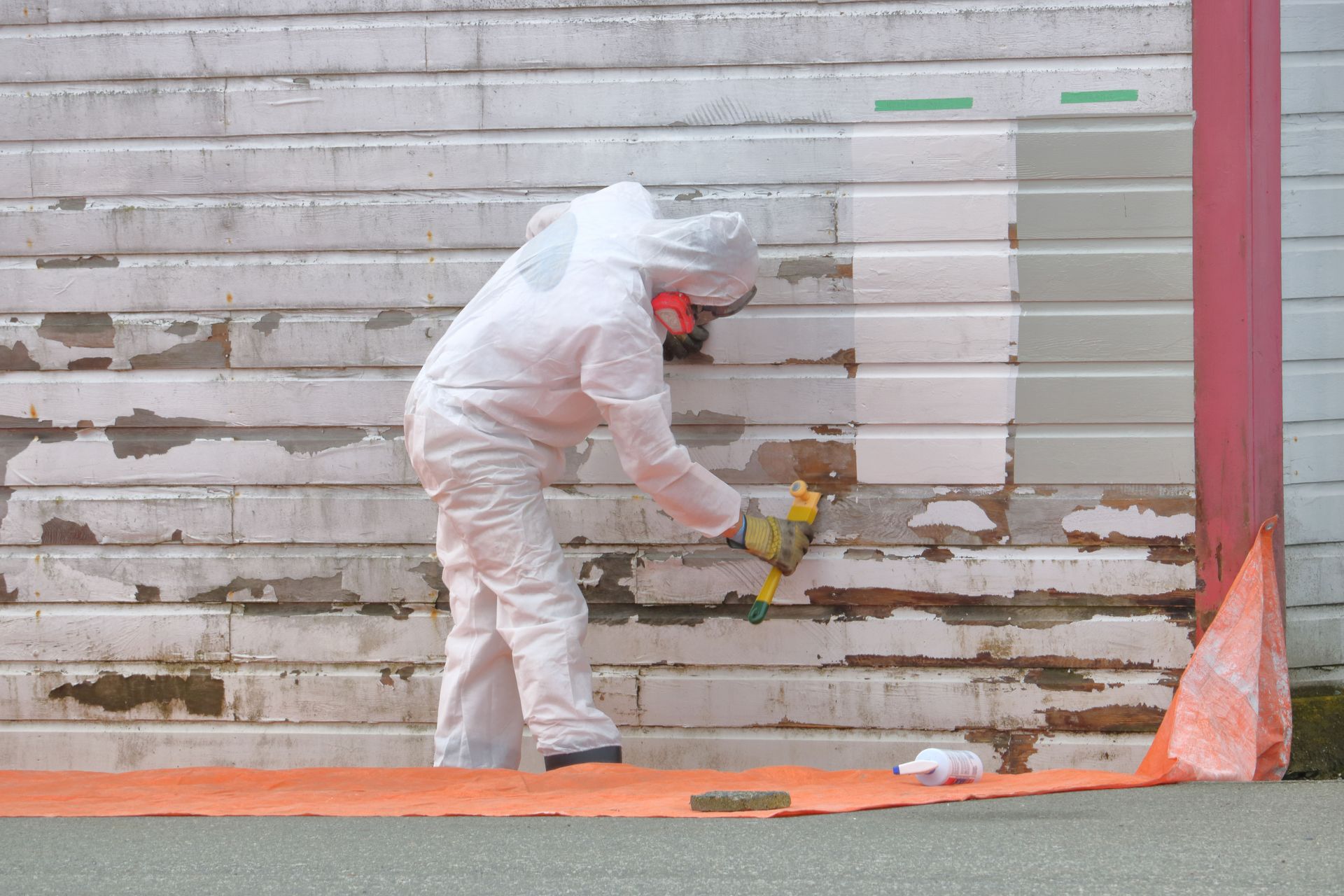
Strict adherence to health and safety measures during asbestos removal is paramount to safeguarding both workers and the public. Personal protective equipment (PPE) and engineering controls such as negative pressure environments prevent fiber spread and exposure. Accredited professionals follow structured protocols to meticulously plan, execute, and monitor removal activities. Worker training and emergency response procedures are integral to maintaining safe abatement operations. Comprehensive safety measures reflect a robust commitment to minimizing health risks in asbestos handling.
Managing Environmental Waste Disposal and Compliance Protocols
Proper disposal of asbestos waste is essential to preventing environmental contamination and upholding public safety standards. Disposal must occur at authorized landfills, with comprehensive controls to prevent leaching or release into the environment. Transport and containment procedures strictly adhere to regulations to safeguard air and soil quality. Public awareness and policy enforcement are key to maintaining responsible waste disposal practices. Environmental stewardship underscores the systemic responsibilities associated with asbestos abatement efforts.
Promoting Equity in Modern Asbestos Abatement Practices
Addressing Structural Inequities in Heavily Impacted Communities
Tackling inequities in asbestos abatement requires addressing the disproportionate impact on marginalized communities. These groups often lack resources and support services, compounding health risks and vulnerability to asbestos exposure. Equitable practices involve targeted resource allocation and inclusive policy implementation, considering diverse community needs. Supporting community-driven initiatives and capacity-building programs enables collective resilience against environmental health challenges. Promoting equity enhances shared responsibility, empowering communities to advocate for safer environments.
Empowering Communities Through Transparent Engagement and Collaboration
Empowering communities through engagement and collaboration is key to equitable asbestos abatement practices. Engaged communities facilitate shared understanding of risks and priorities, strengthening collective resilience against environmental health hazards. Empowerment involves equipping individuals with information, skills, and resources to actively participate in decision-making and advocacy. Building local capacity promotes community-driven solutions and equitable representation in policy discussions. Effective engagement reduces disparities and amplifies the voices of marginalized groups in asbestos management initiatives.
The pervasive risks associated with asbestos demand rigorous regulatory standards, effective management practices, and equitable interventions. Stakeholders must prioritize the health and safety of all communities, emphasizing fairness, transparency, and collaboration. Addressing current challenges and leveraging technological and policy advancements can enhance asbestos abatement outcomes. An ongoing commitment to innovation, equity, and public engagement is essential in safeguarding people and the environment from asbestos-related hazards.
Ensure your property remains safe, compliant, and hazard-free by contacting BellCo Demolition & Asbestos today for expert abatement and remediation services!